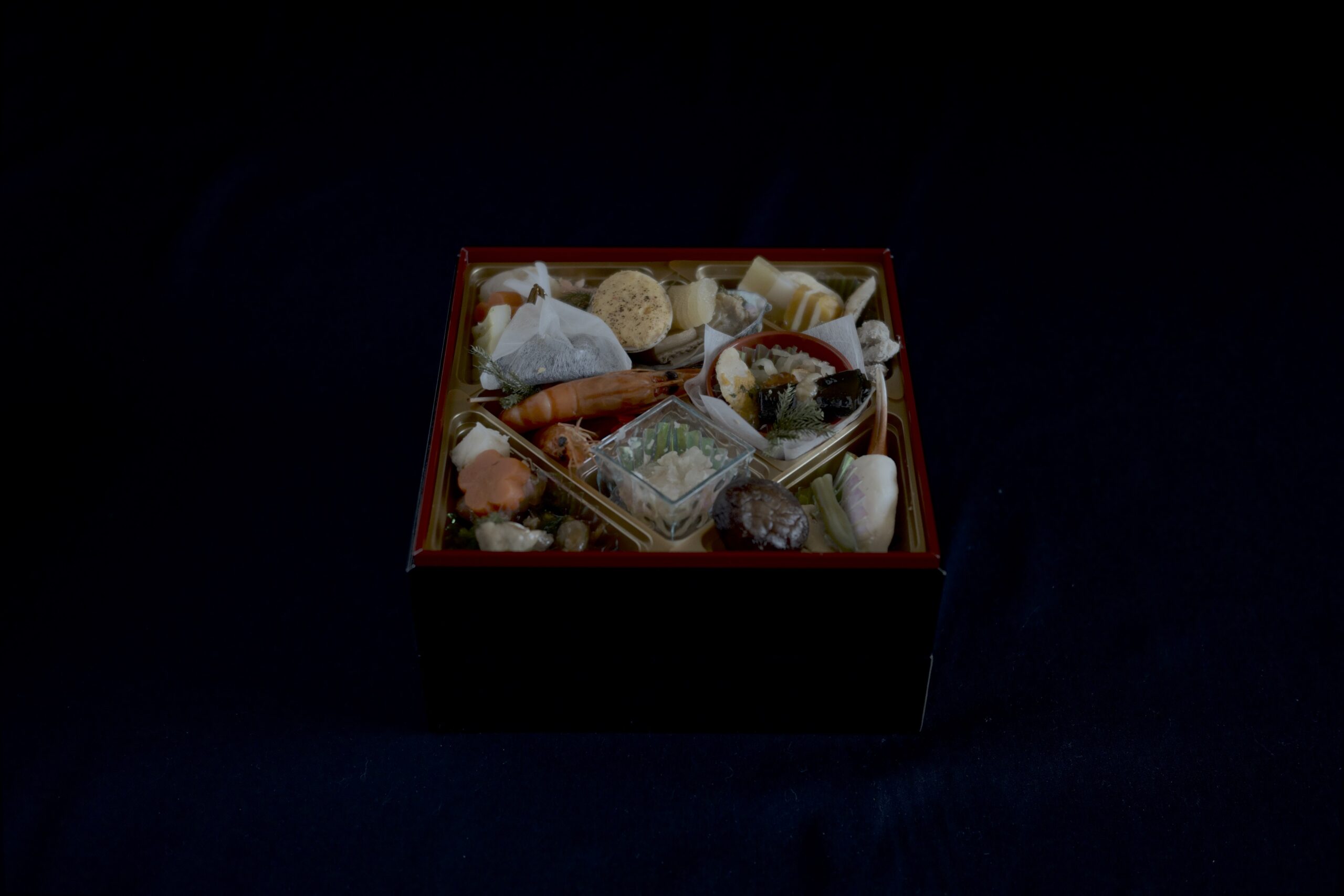
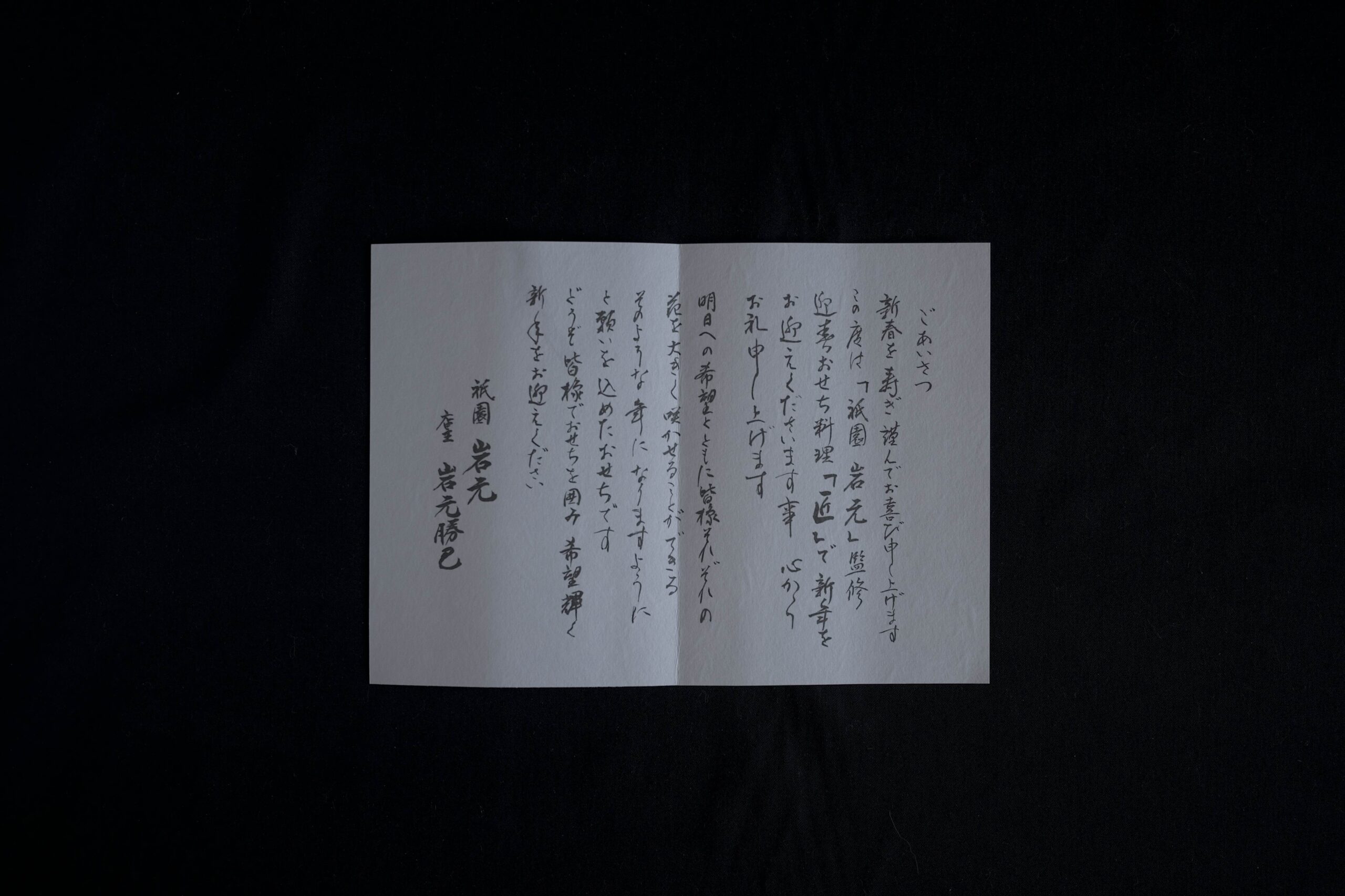
I had osechi this year.
Osechi ryōri is the traditional set of dishes eaten during the Japanese New Year, usually packed into layered boxes called jūbako. Even people who don’t cook it themselves often encounter it in some form — homemade, ordered from a shop, or shared with family.
What always stands out to me about osechi isn’t just the food, but the mood around it. It’s quiet. There’s no rush. The dishes are prepared in advance so that cooking can pause for a few days, and meals become more about sitting, talking, and letting time pass slowly.
Each item has a meaning — health, longevity, prosperity — but in daily life, those meanings often sit gently in the background. You don’t need to recite them to eat osechi properly. You just eat, knowing that this is how the year begins.
Some dishes I enjoy more than others. Some I eat mostly because they’re supposed to be there. That mix of personal preference and tradition feels very Japanese to me. Osechi isn’t about perfection; it’s about continuity.
Eating osechi feels less like celebrating something new and more like acknowledging that another year has quietly arrived.
In Japanese, there’s a phrase said after a meal: gochisōsama. It doesn’t just mean “thank you for the food,” but gratitude for the time, effort, and care behind it.
So, after osechi — gochisōsama.
Leave a Reply